No one can whistle a symphony;
it takes a whole orchestra to play it.Halford Edward Luccock
Like so many instruments in perfect harmony, each of the 25 municipalities in the district contributes to making Cusio a unique destination by offering visitors an extraordinary heritage, capable of providing a thousand experiences.
Choosing Cusio as a destination for a visit or vacation means privileging a surprisingly varied offer: the Towns, Villages and Boroughs scattered among the Lake, the Mountains and the Valleys generously offer themselves to visitors with all the enchantment of the landscape and the wealth of traditions, culture and history of their people. Discovering the diversity of the area and taking advantage of it to experience a “tailor-made” experiential vacation is a precious opportunity that gives an extraordinary feeling of freedom!
Staying in Cusio is easy: resorts, hotels, residences, campsites and B&Bs … many solutions for a single destination!

Omegna is the capital of Cusio and the gateway to a surprisingly diverse and lively territory, a promise of a thousand unforgettable emotions.
The streets and small squares of the historic center around the gulf, the Roman gate dating back to the 12th century, the Collegiate Church of St. Ambrose, and the Old Bridge (built in the 15th century and recently restored) are just a few of the points of interest offered by the Cusian capital, where industrial tradition and a vocation for tourism coexist in wise balance.
Evidence of this is the skillful restoration for museum purposes of the buildings once home to a large metallurgical industry: today the "Forum" houses the Museum of Arts and Industry, an art gallery and the Fantasy Park inspired by the work of Omegna writer Gianni Rodari.
Gianni Rodari 's traces are everywhere in the city: his nursery rhymes and characters appear here and there in the streets of downtown, where the Rodari Museum is also located.
A beautiful lakeside promenade starts from the center and continues to the resort of Bagnella, an ideal destination for a day of relaxation and a swim in the crystal-clear waters of the lake or the Lido pools. A short path leads from Bagnella to Pie in the Sky Park, a family paradise immersed in Rodari's world and greenery, from which there are breathtaking views.
Set in the center of a lake and mountain landscape of unparalleled charm, Omegna is the starting point of many hiking trails (such as the Grand Tour of Lake Orta and the Blue Ring) and MTB trails with different levels of difficulty.
Since the last century, Omegna has been known as the "land of pots and coffee pots" because it boasts a production of excellence in the household sector appreciated worldwide for inventiveness and design. The company outlets of world-leading companies such as Alessi and Lagostina are a must for anyone visiting Cusio.
The presence of the A26 Genova Voltri-Gravellona Toce highway and the freeway leading to the Simplon Pass, as well as the advantageous central location in the province of Verbano Cusio Ossola, make Gravellona Toce an important communication node and give the town considerable economic, geographic and social importance within the relevant territory.
The barycentric location well served by important infrastructure has enabled the development of thriving artisan, industrial and commercial activities.
The Shopping Centers that have sprung up in recent years in Gravellona Toce are well-stocked and are undoubtedly a strength of the town's economy.
Dating back to the 12th century is the original core of the beautiful Parish Church of St. Peter whose neo-Renaissance style facade dates from 1862. Of great interest is the Romanesque Church of St. Maurice, which is the oldest and most significant monument in the city, which has been recorded since the 10th century.
The hills around the city offer many opportunities for hiking, MTB and downhill enthusiasts.
From Gravellona Toce you can quickly reach Omegna and Lake Orta, but also Lake Maggiore and Ossola: visitors are spoiled for choice!

The small town of Gozzano is located at the southern end of Lake Orta, and offers visitors many points of historical and artistic interest including the Basilica of San Giuliano; The Bishop's Palace; the Church of Santa Maria di Luzzara; the Church of San Lorenzo; and the 16th-century Church of Madonna del Boggio.
A visit to the chapel of the Madonna della Guardia, located on the top of the hill of the same name, which-with its 541 meters above sea level-offers a splendid view of Lake Orta and the surrounding mountains, is suggestive.
Between Gozzano and Orta San Giulio, the Buccione Tower is definitely worth the detour.
The Via dei Canneti: for hiking enthusiasts, from Lido di Gozzano starts a route of about 14 km that ends in Pella, offering priceless panoramic views of the Island.
Gozzano boasts one of the most beautiful and sunny beaches on Lake Orta, where it is also possible to rent an umbrella and sunbed for a relaxing day out. Popular with bathers is the famous trampoline designed by Milanese architect Mario Galvani.
Halfway between the Cusian capital and Gravellona Toce, the municipality of Casale Corte Cerro is nestled between Mount Cerano and Mottarone, offering visitors a surprisingly diverse territory. Casale and the many surrounding localities (Ramate, Montebuglio, Arzo, Cafferonio, Sant'Anna, Pramore, Cassinone) are surrounded by peace and greenery through which numerous paths lead to the mountain pastures located on the slopes of Mount Zuccaro and Mount Cerano from which on clear days there is a spectacular view of Lakes Orta, Maggiore, Varese, Monate, Comabbio, and the plains of Novara and Lombardy.
In the woods between the hamlets of Montebuglio and Cassinone is the Balmello Shrine, dedicated to Our Lady of Caravaggio.
Visits to the Museum of the Consorziale Turnaria Dairy, which is also equipped to accommodate school groups, and the Strona River Park are very interesting.
San Maurizio d'Opaglio is an exemplary testimony to the diversity of the Cusian area and the richness of its heritage: industrial complexes, valuable sacred buildings and an amazing natural environment coexist in perfect harmony and offer interesting insights to visitors.
In addition to the Parish Church of St. Maurice dating back to the 15th century, several other holy places are distributed in the various hamlets: the Church of Our Lady of Sorrows in Loc. Opagliolo; the Church of Our Lady of Grace in Sazza; the Church of the Immaculate Virgin in Bacchiore; the Church of St. Charles Borromeo in Alpiolo; and the Church of St. Anthony in the hamlet of Briallo.
San Maurizio is known worldwide for the presence of many leading companies in the production of faucets and valves, so it is no coincidence that San Maurizio d'Opaglio is home to the Museum of the Faucet and its Technology.
As everywhere in the Cusio region, in San Maurizio d'Opaglio there are many opportunities to fully enjoy the natural beauty of the area: the beaches of Prarolo, Pascolo and Porta di Lagna promise relaxation and fun in the crystal-clear waters of Lake Orta, while forhiking enthusiasts, a spectacular route of about 13 km starts from San Maurizio and leads to Pella along easily walkable trails,
The village of Armeno lies in the hills above Lake Orta; beyond village its territory extends to the slopes of Mottarone at an altitude of 1400 m above sea level.
Always a resort town, Armeno boasts a splendid and well-lived natural environment; a fine artistic and cultural heritage; and a strong connection with its past, particularly with the traditions related to the trades in which the people of Armeno have distinguished themselves in Italy and abroad: wood craftsmen; master builders; and especially waiters and cooks.
Very impressive is the annual convention of hoteliers: the event is held in November, a time when in the past they celebrated the return to the country of cooks, waiters and great chefs at the end of the summer season spent in hotels around the world.
Representing a unique testimony to the world is the collection of memories that the hoteliers of Armeno have given to the hoteliers museum. Objects of work, photographs, menus of famous meetings, rare cookbooks, photographs and the newspapers of the time tell excerpts of lives lived among the mighty of the earth by the commis, waiters, simple cooks and great chefs left from Armeno.
Passing through the hamlet of Sovazza is the "road of the Two Rivieras," which runs along the course of the Agogna River and connects Lake Orta with Lake Maggiore.
Livestock raising is an important resource, and there are many farms and agritourisms where it is possible to taste and buy typical products of excellent quality.
Gargallo is located in the southern hills of Lake Orta, in the province of Novara, near the as of Soriso from which it broke away in 1816, becoming an autonomous municipality.
The beautiful parish church is dedicated to Gargallo's patron saint, St. Peter. Dating back to the 12th century, the building was later rebuilt in Baroque forms, flanked by the original Romanesque bell tower. Just outside the settlement is the 18th-century oratory dedicated to St. Michael the Archangel.
The hills around Gargallo boast soil particularly suited to the cultivation of vines, an activity that has spread throughout the area and is flourishing: the nearby towns of Borgomanero and Maggiora are in fact Wine Cities and home to important wineries. In fact, the "Stage of the Vineyards" of the Grand Tour of Lake l'Orta passes through Gargallo: a splendid loop walk that crosses the entire Cusio region.
Gargallo is the ideal starting point for visiting Cusio and experiencing all the experiences that this extraordinary area is capable of expressing.
Located on the eastern shore of Lake Orta, the town of Pettenasco is nestled between the lake and the mountains and captivates visitors with its picturesque views and enchanting naturalistic landscape.
The beautiful Lakefront Promenade, surrounded by quietness, provides breathtaking views and leads to several beaches, which are very popular in the summer season.
Well worth a visit is the Museum of the Art of Woodturning, in which a collection dedicated to the art of woodturning, a characteristic activity of the area, is on display. The museum is included in the Lake Orta and Mottarone Ecomuseum circuit and also hosts an information space on upcoming events and happenings.
The country's various accommodations, bars and restaurants ensure that visitors always receive a warm and high-quality welcome.
Numerous churches and oratories of considerable architectural and artistic merit are located both in the town of Pogno and in the hamlets, and they offer visitors the opportunity to trace very picturesque itineraries in which the contemplation of nature and art lend themselves to a unique and unforgettable experience.
Since 2005 Pogno has been part of the "Countries of the Painted Walls" together with two other municipalities in Cusio: Legro di Orta and Quarna Sopra. The "painted villages" are certainly worth a visit for the special charm of the frescoed houses full of color that make these villages a true open-air art gallery.
Pogno shares with San Maurizio d'Opaglio a long tradition in metalworking that over the years has given rise to the modern and prosperous faucet and valve industry. The thriving companies in the area are also an important resource from the environmental point of view as they are strongly committed to the protection of the natural heritage of Cusio, which in the past has been severely affected by rapid industrialization.
The ancient village of Orta San Giulio is certainly the best known and most touristic in Cusio, thanks in part to the suggestion given by the small Island of San Giulio and the proximity of Sacro Monte, the UNESCO World Heritage monument complex.
The historic center is a maze of ancient lanes that slope down from the upper part of the town to the lake and the Motta Square, a lakeside lounge of rare beauty.
The promenade that starts near the beautiful Villa Crespi (the building that houses the restaurant of the famous chef Antonino Cannavacciuolo) and runs along the lake until it reaches the center of the village offers postcard-perfect scenery.
Beautiful churches and romantic vistas make Orta the destination of choice for many lovers to celebrate marriage.
The hamlet of Legro, with its frescoed house facades, is an open-air art gallery: the small painted village is very picturesque and attracts many visitors.

In addition to the village of Strona where the municipality is located, Valstrona includes several other settlements including Luzzogno, Forno, Fornero, Piana di Fornero, and Sambughetto.
At the top of the valley, at 1300 meters above sea level, is the picturesque Walser village of Campello Monti; from here a hiking trail leads to the summit of Altemberg, included in the protected area of the Alta Val Sesia and Alta Val Strona Nature Park, on the summit of which is a summit cross.
Each of Valstrona's villages and hamlets boasts a rich historical and artistic heritage, and the strong connection between the people and their past still keeps alive a popular tradition of great interest.
The art of woodturning has been passed down from generation to generation, and today the production of wooden housewares and ornamental objects represents a thriving trade involving nearly one hundred craft businesses active in Cusio. The best-known artifact is undoubtedly the world-famous Wooden Pinocchio.
Bolzano Novarese is in a privileged location surrounded by nature and the beauty of a landscape that is a promise of a thousand experiences.
The town enjoys the proximity of the Agogna River and its wooded valley, Lake Orta, verdant hills, and the many places of artistic and cultural interest that adorn the eastern side of Cusio.
Through the "Due Riviere" road that runs along the course of the Agogna River from Lake Orta, it is possible to reach Lake Maggiore in a short time.
All that Cusio has to offer in every season of the year is at your fingertips here: in fine weather in the Agogna stream and its tributaries you can kayak, while in the winter months you can ski at nearby Mottarone, one of the first ski resorts in Italy!
Hiking around Bolzano Novarese is one of the best ways to experience the enchanting Cusio landscape: numerous hiking and biking trails wind through the area around Bolzano Novarese. Particularly interesting are the "loop" routes such as the one that reaches Orta and Sacro Monte; or the Buccione Tower and the church of St. Anthony Abbot.
Ameno enjoys a privileged location: it is a natural balcony on Lake Orta surrounded by greenery and quiet. Many splendid churches with valuable frescoes and furnishings can be admired in and around the village: among them the Parish Church of the Assumption dating back to the first half of the 14th century, the Church of St. John the Baptist, and the Church of St. Rocco.
The Sanctuary of the Madonna della Bocciola and the Monumental Complex of Mount Mesma are worth a visit: both places of great suggestion and recollection, from which there are priceless views of Lake Orta and Mount Rosa.
In the locality of Vacciago, the Calderara House is home to the"Calderara Foundation," a contemporary art gallery established at the behest of painter Antonio Calderara where numerous valuable works of contemporary art are displayed to the public.
Pella is located on the western shore of Lake Orta, facing the picturesque island of San Giulio. The settlement is overlooked by steep granite heights on which stands the Shrine of Our Lady of the Rock.
In the village and its immediate surroundings there are numerous places of artistic interest and great beauty such as a parish church of Sant'Albino Vescovo that dates back to the late 1500s; the church complex of San Filiberto in the hamlet of Alzo; and theoratory of San Giulio nestled in the woods surrounding the hamlet of Ronco Sopra.
Pella's strategic location made it a garrison in the past to defend the territory as evidenced by the medieval tower still standing on the lakefront.
The beauty of the landscape and natural environment surrounding it make Pella the ideal destination for those who enjoy direct contact with nature: many hiking trails at lake level or to the heights above the town give enthusiasts a unique and authentic experience.
Nonio overlooks the northern part of the lake and the Mottarone massif that rises just opposite. The settlement still retains the character of an ancient village, with narrow streets and stone houses close to each other.
Very interesting is the Museum of Peasant Civilization, through which visitors can discover the area's ancient crafts and agricultural traditions through historical photographs, work and household tools.
The territory of the municipality of Nonio is very diverse as it ranges from the shores of the Lake to the surrounding hills and forests.Numerous hiking trails allow enthusiasts to experience unspoiled nature while enjoying breathtaking views.
Nonio is located along the route of one of the five stages of the Grand Tour of Lake Orta: the "granite stage," which starts from the Cusian capital and reaches San Maurizio d'Opaglio.
Brolo, a small hamlet of the village of Nonio, is known as the village of cats, and on the streets of the village cats are depicted everywhere: painted on the roofs of houses, on house number tiles, and on the facades of houses. In the settlement there is also the Strescia dal Gat, a small pedestrian street dedicated entirely to cats.
It is a real shame to leave Nonio without tasting (and buying) fugascina, the typical dessert.
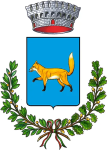
Located on the eastern shore of Lake Orta, Miasino is a village rich in charm for the beauty of its natural setting and the spectacular architecture of its stately residences. Notable are the parish church of San Rocco overlooking the village and the Giardino dei Semplici below where more than a hundred medicinal plants are cultivated.
Villa Nigra is certainly worth a visit.
Villa Solaroli, also known as Miasino Castle, is a real estate complex surrounded by a large park, which straddles the municipalities of Ameno and Miasino in a panoramic position overlooking Lake Orta and the Island of San Giulio. The splendid residence, which dates back to the second half of the 1800s, has belonged to the Piedmont Region since 2015 as it came from confiscation from organized crime.
The area offers countless hiking opportunities through ancient villages (such as the Ameno-Miasino trail), or along trails through the surrounding forests.
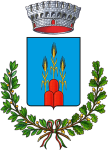
Soriso lies at the southern end of Cusio and enjoys a privileged location, nestled among the Novara hills and just a few kilometers from Lake Orta.
The beautiful palaces in the village, such as the former medieval convent Casa Buzzi and Palazzo Ravizza are marked as places of value by the FAI.
The town of Soriso and its surroundings count many sacred places worthy of mention: dominating the town is the beautiful parish church of San Giacomo, dedicated to Soriso's patron saint who is celebrated every July 25.
There are also numerous oratories, including that of St. Roch, St. Eurosia, Our Lady of the Snow and St. Martha.
The Oratory of Santa Maria della Gelata is worth a visit: located in an enchanting setting on the heights outside Soriso, the place captivates visitors with its charming, fairy-tale atmosphere.
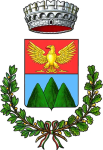
Cesara is located along the western side of Lake Orta, slightly elevated above the body of water. In the village, an interesting visit to the church of San Clemente, Cesara's parish church with attached square stone bell tower built in the 11th century.
The two hamlets of Cesara, Grassona and Egro, are quiet and well-sunlit: the latter in particular is a destination for many hikers who go to the "Egro cross" located in a panoramic position from which there is one of the most breathtaking views of Lake Orta, with a view that sweeps from the Gulf of Buccione, to the south, to the Omegna shore.
Cesara is located on the route of the "granite stage" of the Grand Tour of Lake Orta, which starts from the Cusian capital and goes all the way to San Maurizio d'Opaglio.

Madonna del Sasso is a municipality in the province of Verbano-Cusio-Ossola, located on the western side of Lake Orta and named after the sanctuary of the same name, built in the first half of the 1700s.
An interesting visit to the stonemason`s museum, dedicated to the work in the white granite quarries and, included in the circuit of the Eco-museum ofLake Orta and Mottarone.
The Shrine of Our Lady of the Rock is definitely worth a visit. The complex dates back to the first half of the 18th century: located in the municipality of the same name in Boleto, the church is perched on a rocky outcrop overlooking Lake Orta from a height of 638 m above sea level.
The square in front of the shrine is called "the balcony of the Cusio" because it offers visitors an unparalleled view of the entire area, from the lake to the mountains of the eastern Riviera.
The shrine is also the end point of thehiking itinerary "The Valleys of Faith," which starts from the Sanctuary of Banchette in the Biella area and reaches the Shrine of Madonna del Sasso and Lake Orta.

Quarna Sotto is located in the mountains above the city of Omegna and is known as the"Music Country" for its centuries-old production of musical wind instruments. The village gathers around the parish church of St. Nicholas inside which one can admire the fine polychrome marble high altar and the large organ. Very interesting is the seventeenth-century Oratorio del Saliente, which is located on the road leading from the village to the mountain pastures, among whichAlpe Camasca, the largest and most beautiful pasture in Quarna Sotto from which many hiking trails start, including the one leading to Massa del Turlo and Monte Croce.
In the first half of the 19th century, the production of wind instruments began in Quarna Sotto: the firm founded in 1818 is still in business today, and at the Quarna Sotto location the production of handmade musical instruments continues.
You can visit the"Ethnographic and Wind Musical Instrument Museum" where you can admire musical instruments and learn about the process followed in their handcrafted construction.
The village of Quarna Sopra is dominated by Mount Mazzocone with its 1,424 meters.
Open and well exposed to the sun, Quarna has a long tradition of tourism.
The center of town life is Pasquer Square overlooked by the 14th-century church of S. Rocco; the parish church of S. Stefano, erected in 1517, is of later date. Walking along the village streets and country paths, one encounters several other oratories and devotional chapels. Of particular interest is the Shrine of Our Lady of the Snow of Fontegno built in the 18th century on the steep slope overlooking Lake Orta.
Like Legro, a hamlet of Orta San Giulio and Nonio, Quarna Sopra has also earned the title of "Painted Country": more than twenty-four frescoes, among ancient houses and narrow alleys, create a true open-air art gallery much appreciated by visitors.
Definitely worth a detour is Belvedere, a panoramic terrace from which there is a unique view of Lake Orta and the plain below.
From Quarne, many hiking trails of all levels of difficulty wind through chestnut and aspen forests leading to the various mountain pastures and beyond to the peaks of Mount Mazzocone and Mount Croce.
Arola si trova in posizione elevata e ben esposta sul versante occidentale del Lago d’Orta. D'interesse è la chiesa parrocchiale di San Bartolomeo, edificata nel Seicento e I due oratori di età barocca: quello di Sant'Antonio Abate e quello dell'Annunziata.
Just above the village of Arola is the Colma di Civiasco, the communication pass between Lake Orta and Valsesia: a beautiful scenic road leading to Varallo Sesia popular with cyclists and motorcyclists. The village's proximity to this very important communication route for the economy of the entire Lake Orta basin in the past has marked its history since the Middle Ages.
Hiking around Arola is one of the best ways to experience nature: the two loop trails from Bolco to either Nonio Cross or Egro Cross stand out for the extraordinary views offered by the two destinations.
The village of Loreglia is located just seven kilometers from the Cusian capital, nestled on the verdant slopes of the Strona Valley.
The "Temple of Victory" in the hamlet of Cravetta; the "Gianoli House" from the 1500s; and the more recent "Cane Villas" in the hamlet of Chesio, both architecturally interesting, are worth a visit,
From the village of Chesio, it is possible to reachAlpe Loccia (also by car) and from there continue along the path that leads to Mount Massone (2,161 m above sea level) from which there is a wonderful view. There is a 4-meter-high cross with bell on the summit; descending on the Ossola side, one encounters the trenches of the Cadorna Line dating back to World War I.
Loreglia is part of the Unione Montana della Valle Strona e delle Quarne and adheres to the Ecomuseum of Lake Orta and Mottarone, contributing to the collection and documentation of evidence, traditions, customs, and traditions of the area, and particularly of the Strona Valley.
It has been hypothesized that Germagno owes its name to the Germanic Walser people who from the Ossola side of Mount Massone in the distant past would move to the opposite side, settling in the Strona Valley.
Although the town of Germagno is located very close to the Cusian capital, its connection to the culture and traditions of the Strona Valley remains strong.
Germagno is in fact part of the Strona Valley and Quarne Mountain Union along with the municipalities of Loreglia, Massiola, Quarna Sopra, Quarna Sotto and Valstrona.
In the town of Germano is the Monastery of Saints Peter and Paul, a very active Benedictine priory. The Monks, following ancient traditional recipes, prepare honey, jams, creams and liqueurs that can be purchased at the Monastery and also online.
Continuing beyond Germagno the road leads toAlpe Quaggione, an ideal destination where to stop and spend a day in nature, or a starting point for a high mountain hike.
In the heart of the Strona Valley, at 772 meters above sea level, Massiola is an oasis of peace and tranquility. The village offers breathtaking scenery in every season, and is the starting point for relaxing walks in the green or hikes to the high peaks of the Strona Valley.
The 14th-century Church of San Gaudenzio and the Chapel of San Rocco, which enjoys a picturesque panoramic location, are worth a visit.
Massiola shares with the other villages of the Strona Valley the tradition of woodworking, particularly favoring the manufacture of wooden spoons, to which is added that of marble quarrying, an activity that gave the locality Marble its name.
From the village of Massiola a hiking trail that crosses several mountain pastures leads to the summit cross located on Cima Scaravini at 2117 meters above sea level.
Omegna is the capital of Cusio and the gateway to a surprisingly diverse and lively territory, a promise of a thousand unforgettable emotions.
The streets and small squares of the historic center around the gulf, the Roman gate dating back to the 12th century, the Collegiate Church of St. Ambrose, and the Old Bridge (built in the 15th century and recently restored) are just a few of the points of interest offered by the Cusian capital, where industrial tradition and a vocation for tourism coexist in wise balance.
Evidence of this is the skillful restoration for museum purposes of the buildings once home to a large metallurgical industry: today the "Forum" houses the Museum of Arts and Industry, an art gallery and the Fantasy Park inspired by the work of Omegna writer Gianni Rodari.
Gianni Rodari 's traces are everywhere in the city: his nursery rhymes and characters appear here and there in the streets of downtown, where the Rodari Museum is also located.
A beautiful lakeside promenade starts from the center and continues to the resort of Bagnella, an ideal destination for a day of relaxation and a swim in the crystal-clear waters of the lake or the Lido pools. A short path leads from Bagnella to Pie in the Sky Park, a family paradise immersed in Rodari's world and greenery, from which there are breathtaking views.
Set in the center of a lake and mountain landscape of unparalleled charm, Omegna is the starting point of many hiking trails (such as the Grand Tour of Lake Orta and the Blue Ring) and MTB trails with different levels of difficulty.
Since the last century, Omegna has been known as the "land of pots and coffee pots" because it boasts a production of excellence in the household sector appreciated worldwide for inventiveness and design. The company outlets of world-leading companies such as Alessi and Lagostina are a must for anyone visiting Cusio.
The presence of the A26 Genova Voltri-Gravellona Toce highway and the freeway leading to the Simplon Pass, as well as the advantageous central location in the province of Verbano Cusio Ossola, make Gravellona Toce an important communication node and give the town considerable economic, geographic and social importance within the relevant territory.
The barycentric location well served by important infrastructure has enabled the development of thriving artisan, industrial and commercial activities.
The Shopping Centers that have sprung up in recent years in Gravellona Toce are well-stocked and are undoubtedly a strength of the town's economy.
Dating back to the 12th century is the original core of the beautiful Parish Church of St. Peter whose neo-Renaissance style facade dates from 1862. Of great interest is the Romanesque Church of St. Maurice, which is the oldest and most significant monument in the city, which has been recorded since the 10th century.
The hills around the city offer many opportunities for hiking, MTB and downhill enthusiasts.
From Gravellona Toce you can quickly reach Omegna and Lake Orta, but also Lake Maggiore and Ossola: visitors are spoiled for choice!
The small town of Gozzano is located at the southern end of Lake Orta, and offers visitors many points of historical and artistic interest including the Basilica of San Giuliano; The Bishop's Palace; the Church of Santa Maria di Luzzara; the Church of San Lorenzo; and the 16th-century Church of Madonna del Boggio.
A visit to the chapel of the Madonna della Guardia, located on the top of the hill of the same name, which-with its 541 meters above sea level-offers a splendid view of Lake Orta and the surrounding mountains, is suggestive.
Between Gozzano and Orta San Giulio, the Buccione Tower is definitely worth the detour.
The Via dei Canneti: for hiking enthusiasts, from Lido di Gozzano starts a route of about 14 km that ends in Pella, offering priceless panoramic views of the Island.
Gozzano boasts one of the most beautiful and sunny beaches on Lake Orta, where it is also possible to rent an umbrella and sunbed for a relaxing day out. Popular with bathers is the famous trampoline designed by Milanese architect Mario Galvani.
Halfway between the Cusian capital and Gravellona Toce, the municipality of Casale Corte Cerro is nestled between Mount Cerano and Mottarone, offering visitors a surprisingly diverse territory. Casale and the many surrounding localities (Ramate, Montebuglio, Arzo, Cafferonio, Sant'Anna, Pramore, Cassinone) are surrounded by peace and greenery through which numerous paths lead to the mountain pastures located on the slopes of Mount Zuccaro and Mount Cerano from which on clear days there is a spectacular view of Lakes Orta, Maggiore, Varese, Monate, Comabbio, and the plains of Novara and Lombardy.
In the woods between the hamlets of Montebuglio and Cassinone is the Balmello Shrine, dedicated to Our Lady of Caravaggio.
Visits to the Museum of the Consorziale Turnaria Dairy, which is also equipped to accommodate school groups, and the Strona River Park are very interesting.
San Maurizio d'Opaglio is an exemplary testimony to the diversity of the Cusian area and the richness of its heritage: industrial complexes, valuable sacred buildings and an amazing natural environment coexist in perfect harmony and offer interesting insights to visitors.
In addition to the Parish Church of St. Maurice dating back to the 15th century, several other holy places are distributed in the various hamlets: the Church of Our Lady of Sorrows in Loc. Opagliolo; the Church of Our Lady of Grace in Sazza; the Church of the Immaculate Virgin in Bacchiore; the Church of St. Charles Borromeo in Alpiolo; and the Church of St. Anthony in the hamlet of Briallo.
San Maurizio is known worldwide for the presence of many leading companies in the production of faucets and valves, so it is no coincidence that San Maurizio d'Opaglio is home to the Museum of the Faucet and its Technology.
As everywhere in the Cusio region, in San Maurizio d'Opaglio there are many opportunities to fully enjoy the natural beauty of the area: the beaches of Prarolo, Pascolo and Porta di Lagna promise relaxation and fun in the crystal-clear waters of Lake Orta, while forhiking enthusiasts, a spectacular route of about 13 km starts from San Maurizio and leads to Pella along easily walkable trails,
The village of Armeno lies in the hills above Lake Orta; beyond village its territory extends to the slopes of Mottarone at an altitude of 1400 m above sea level.
Always a resort town, Armeno boasts a splendid and well-lived natural environment; a fine artistic and cultural heritage; and a strong connection with its past, particularly with the traditions related to the trades in which the people of Armeno have distinguished themselves in Italy and abroad: wood craftsmen; master builders; and especially waiters and cooks.
Very impressive is the annual convention of hoteliers: the event is held in November, a time when in the past they celebrated the return to the country of cooks, waiters and great chefs at the end of the summer season spent in hotels around the world.
Representing a unique testimony to the world is the collection of memories that the hoteliers of Armeno have given to the hoteliers museum. Objects of work, photographs, menus of famous meetings, rare cookbooks, photographs and the newspapers of the time tell excerpts of lives lived among the mighty of the earth by the commis, waiters, simple cooks and great chefs left from Armeno.
Passing through the hamlet of Sovazza is the "road of the Two Rivieras," which runs along the course of the Agogna River and connects Lake Orta with Lake Maggiore.
Livestock raising is an important resource, and there are many farms and agritourisms where it is possible to taste and buy typical products of excellent quality.
Gargallo is located in the southern hills of Lake Orta, in the province of Novara, near the as of Soriso from which it broke away in 1816, becoming an autonomous municipality.
The beautiful parish church is dedicated to Gargallo's patron saint, St. Peter. Dating back to the 12th century, the building was later rebuilt in Baroque forms, flanked by the original Romanesque bell tower. Just outside the settlement is the 18th-century oratory dedicated to St. Michael the Archangel.
The hills around Gargallo boast soil particularly suited to the cultivation of vines, an activity that has spread throughout the area and is flourishing: the nearby towns of Borgomanero and Maggiora are in fact Wine Cities and home to important wineries. In fact, the "Stage of the Vineyards" of the Grand Tour of Lake l'Orta passes through Gargallo: a splendid loop walk that crosses the entire Cusio region.
Gargallo is the ideal starting point for visiting Cusio and experiencing all the experiences that this extraordinary area is capable of expressing.
Located on the eastern shore of Lake Orta, the town of Pettenasco is nestled between the lake and the mountains and captivates visitors with its picturesque views and enchanting naturalistic landscape.
The beautiful Lakefront Promenade, surrounded by quietness, provides breathtaking views and leads to several beaches, which are very popular in the summer season.
Well worth a visit is the Museum of the Art of Woodturning, in which a collection dedicated to the art of woodturning, a characteristic activity of the area, is on display. The museum is included in the Lake Orta and Mottarone Ecomuseum circuit and also hosts an information space on upcoming events and happenings.
The country's various accommodations, bars and restaurants ensure that visitors always receive a warm and high-quality welcome.
Numerous churches and oratories of considerable architectural and artistic merit are located both in the town of Pogno and in the hamlets, and they offer visitors the opportunity to trace very picturesque itineraries in which the contemplation of nature and art lend themselves to a unique and unforgettable experience.
Since 2005 Pogno has been part of the "Countries of the Painted Walls" together with two other municipalities in Cusio: Legro di Orta and Quarna Sopra. The "painted villages" are certainly worth a visit for the special charm of the frescoed houses full of color that make these villages a true open-air art gallery.
Pogno shares with San Maurizio d'Opaglio a long tradition in metalworking that over the years has given rise to the modern and prosperous faucet and valve industry. The thriving companies in the area are also an important resource from the environmental point of view as they are strongly committed to the protection of the natural heritage of Cusio, which in the past has been severely affected by rapid industrialization.
The ancient village of Orta San Giulio is certainly the best known and most touristic in Cusio, thanks in part to the suggestion given by the small Island of San Giulio and the proximity of Sacro Monte, the UNESCO World Heritage monument complex.
The historic center is a maze of ancient lanes that slope down from the upper part of the town to the lake and the Motta Square, a lakeside lounge of rare beauty.
The promenade that starts near the beautiful Villa Crespi (the building that houses the restaurant of the famous chef Antonino Cannavacciuolo) and runs along the lake until it reaches the center of the village offers postcard-perfect scenery.
Beautiful churches and romantic vistas make Orta the destination of choice for many lovers to celebrate marriage.
The hamlet of Legro, with its frescoed house facades, is an open-air art gallery: the small painted village is very picturesque and attracts many visitors.
In addition to the village of Strona where the municipality is located, Valstrona includes several other settlements including Luzzogno, Forno, Fornero, Piana di Fornero, and Sambughetto.
At the top of the valley, at 1300 meters above sea level, is the picturesque Walser village of Campello Monti; from here a hiking trail leads to the summit of Altemberg, included in the protected area of the Alta Val Sesia and Alta Val Strona Nature Park, on the summit of which is a summit cross.
Each of Valstrona's villages and hamlets boasts a rich historical and artistic heritage, and the strong connection between the people and their past still keeps alive a popular tradition of great interest.
The art of woodturning has been passed down from generation to generation, and today the production of wooden housewares and ornamental objects represents a thriving trade involving nearly one hundred craft businesses active in Cusio. The best-known artifact is undoubtedly the world-famous Wooden Pinocchio.
Bolzano Novarese is in a privileged location surrounded by nature and the beauty of a landscape that is a promise of a thousand experiences.
The town enjoys the proximity of the Agogna River and its wooded valley, Lake Orta, verdant hills, and the many places of artistic and cultural interest that adorn the eastern side of Cusio.
Through the "Due Riviere" road that runs along the course of the Agogna River from Lake Orta, it is possible to reach Lake Maggiore in a short time.
All that Cusio has to offer in every season of the year is at your fingertips here: in fine weather in the Agogna stream and its tributaries you can kayak, while in the winter months you can ski at nearby Mottarone, one of the first ski resorts in Italy!
Hiking around Bolzano Novarese is one of the best ways to experience the enchanting Cusio landscape: numerous hiking and biking trails wind through the area around Bolzano Novarese. Particularly interesting are the "loop" routes such as the one that reaches Orta and Sacro Monte; or the Buccione Tower and the church of St. Anthony Abbot.
Ameno enjoys a privileged location: it is a natural balcony on Lake Orta surrounded by greenery and quiet. Many splendid churches with valuable frescoes and furnishings can be admired in and around the village: among them the Parish Church of the Assumption dating back to the first half of the 14th century, the Church of St. John the Baptist, and the Church of St. Rocco.
The Sanctuary of the Madonna della Bocciola and the Monumental Complex of Mount Mesma are worth a visit: both places of great suggestion and recollection, from which there are priceless views of Lake Orta and Mount Rosa.
In the locality of Vacciago, the Calderara House is home to the"Calderara Foundation," a contemporary art gallery established at the behest of painter Antonio Calderara where numerous valuable works of contemporary art are displayed to the public.
Pella is located on the western shore of Lake Orta, facing the picturesque island of San Giulio. The settlement is overlooked by steep granite heights on which stands the Shrine of Our Lady of the Rock.
In the village and its immediate surroundings there are numerous places of artistic interest and great beauty such as a parish church of Sant'Albino Vescovo that dates back to the late 1500s; the church complex of San Filiberto in the hamlet of Alzo; and theoratory of San Giulio nestled in the woods surrounding the hamlet of Ronco Sopra.
Pella's strategic location made it a garrison in the past to defend the territory as evidenced by the medieval tower still standing on the lakefront.
The beauty of the landscape and natural environment surrounding it make Pella the ideal destination for those who enjoy direct contact with nature: many hiking trails at lake level or to the heights above the town give enthusiasts a unique and authentic experience.
Nonio overlooks the northern part of the lake and the Mottarone massif that rises just opposite. The settlement still retains the character of an ancient village, with narrow streets and stone houses close to each other.
Very interesting is the Museum of Peasant Civilization, through which visitors can discover the area's ancient crafts and agricultural traditions through historical photographs, work and household tools.
The territory of the municipality of Nonio is very diverse as it ranges from the shores of the Lake to the surrounding hills and forests.Numerous hiking trails allow enthusiasts to experience unspoiled nature while enjoying breathtaking views.
Nonio is located along the route of one of the five stages of the Grand Tour of Lake Orta: the "granite stage," which starts from the Cusian capital and reaches San Maurizio d'Opaglio.
Brolo, a small hamlet of the village of Nonio, is known as the village of cats, and on the streets of the village cats are depicted everywhere: painted on the roofs of houses, on house number tiles, and on the facades of houses. In the settlement there is also the Strescia dal Gat, a small pedestrian street dedicated entirely to cats.
It is a real shame to leave Nonio without tasting (and buying) fugascina, the typical dessert.
Located on the eastern shore of Lake Orta, Miasino is a village rich in charm for the beauty of its natural setting and the spectacular architecture of its stately residences. Notable are the parish church of San Rocco overlooking the village and the Giardino dei Semplici below where more than a hundred medicinal plants are cultivated.
Villa Nigra is certainly worth a visit.
Villa Solaroli, also known as Miasino Castle, is a real estate complex surrounded by a large park, which straddles the municipalities of Ameno and Miasino in a panoramic position overlooking Lake Orta and the Island of San Giulio. The splendid residence, which dates back to the second half of the 1800s, has belonged to the Piedmont Region since 2015 as it came from confiscation from organized crime.
The area offers countless hiking opportunities through ancient villages (such as the Ameno-Miasino trail), or along trails through the surrounding forests.
Soriso lies at the southern end of Cusio and enjoys a privileged location, nestled among the Novara hills and just a few kilometers from Lake Orta.
The beautiful palaces in the village, such as the former medieval convent Casa Buzzi and Palazzo Ravizza are marked as places of value by the FAI.
The town of Soriso and its surroundings count many sacred places worthy of mention: dominating the town is the beautiful parish church of San Giacomo, dedicated to Soriso's patron saint who is celebrated every July 25.
There are also numerous oratories, including that of St. Roch, St. Eurosia, Our Lady of the Snow and St. Martha.
The Oratory of Santa Maria della Gelata is worth a visit: located in an enchanting setting on the heights outside Soriso, the place captivates visitors with its charming, fairy-tale atmosphere.
Cesara is located along the western side of Lake Orta, slightly elevated above the body of water. In the village, an interesting visit to the church of San Clemente, Cesara's parish church with attached square stone bell tower built in the 11th century.
The two hamlets of Cesara, Grassona and Egro, are quiet and well-sunlit: the latter in particular is a destination for many hikers who go to the "Egro cross" located in a panoramic position from which there is one of the most breathtaking views of Lake Orta, with a view that sweeps from the Gulf of Buccione, to the south, to the Omegna shore.
Cesara is located on the route of the "granite stage" of the Grand Tour of Lake Orta, which starts from the Cusian capital and goes all the way to San Maurizio d'Opaglio.
Madonna del Sasso is a municipality in the province of Verbano-Cusio-Ossola, located on the western side of Lake Orta and named after the sanctuary of the same name, built in the first half of the 1700s.
An interesting visit to the stonemason`s museum, dedicated to the work in the white granite quarries and, included in the circuit of the Eco-museum ofLake Orta and Mottarone.
The Shrine of Our Lady of the Rock is definitely worth a visit. The complex dates back to the first half of the 18th century: located in the municipality of the same name in Boleto, the church is perched on a rocky outcrop overlooking Lake Orta from a height of 638 m above sea level.
The square in front of the shrine is called "the balcony of the Cusio" because it offers visitors an unparalleled view of the entire area, from the lake to the mountains of the eastern Riviera.
The shrine is also the end point of thehiking itinerary "The Valleys of Faith," which starts from the Sanctuary of Banchette in the Biella area and reaches the Shrine of Madonna del Sasso and Lake Orta.
Quarna Sotto is located in the mountains above the city of Omegna and is known as the"Music Country" for its centuries-old production of musical wind instruments. The village gathers around the parish church of St. Nicholas inside which one can admire the fine polychrome marble high altar and the large organ. Very interesting is the seventeenth-century Oratorio del Saliente, which is located on the road leading from the village to the mountain pastures, among whichAlpe Camasca, the largest and most beautiful pasture in Quarna Sotto from which many hiking trails start, including the one leading to Massa del Turlo and Monte Croce.
In the first half of the 19th century, the production of wind instruments began in Quarna Sotto: the firm founded in 1818 is still in business today, and at the Quarna Sotto location the production of handmade musical instruments continues.
You can visit the"Ethnographic and Wind Musical Instrument Museum" where you can admire musical instruments and learn about the process followed in their handcrafted construction.
The village of Quarna Sopra is dominated by Mount Mazzocone with its 1,424 meters.
Open and well exposed to the sun, Quarna has a long tradition of tourism.
The center of town life is Pasquer Square overlooked by the 14th-century church of S. Rocco; the parish church of S. Stefano, erected in 1517, is of later date. Walking along the village streets and country paths, one encounters several other oratories and devotional chapels. Of particular interest is the Shrine of Our Lady of the Snow of Fontegno built in the 18th century on the steep slope overlooking Lake Orta.
Like Legro, a hamlet of Orta San Giulio and Nonio, Quarna Sopra has also earned the title of "Painted Country": more than twenty-four frescoes, among ancient houses and narrow alleys, create a true open-air art gallery much appreciated by visitors.
Definitely worth a detour is Belvedere, a panoramic terrace from which there is a unique view of Lake Orta and the plain below.
From Quarne, many hiking trails of all levels of difficulty wind through chestnut and aspen forests leading to the various mountain pastures and beyond to the peaks of Mount Mazzocone and Mount Croce.
Arola si trova in posizione elevata e ben esposta sul versante occidentale del Lago d’Orta. D'interesse è la chiesa parrocchiale di San Bartolomeo, edificata nel Seicento e I due oratori di età barocca: quello di Sant'Antonio Abate e quello dell'Annunziata.
Just above the village of Arola is the Colma di Civiasco, the communication pass between Lake Orta and Valsesia: a beautiful scenic road leading to Varallo Sesia popular with cyclists and motorcyclists. The village's proximity to this very important communication route for the economy of the entire Lake Orta basin in the past has marked its history since the Middle Ages.
Hiking around Arola is one of the best ways to experience nature: the two loop trails from Bolco to either Nonio Cross or Egro Cross stand out for the extraordinary views offered by the two destinations.
The village of Loreglia is located just seven kilometers from the Cusian capital, nestled on the verdant slopes of the Strona Valley.
The "Temple of Victory" in the hamlet of Cravetta; the "Gianoli House" from the 1500s; and the more recent "Cane Villas" in the hamlet of Chesio, both architecturally interesting, are worth a visit,
From the village of Chesio, it is possible to reachAlpe Loccia (also by car) and from there continue along the path that leads to Mount Massone (2,161 m above sea level) from which there is a wonderful view. There is a 4-meter-high cross with bell on the summit; descending on the Ossola side, one encounters the trenches of the Cadorna Line dating back to World War I.
Loreglia is part of the Unione Montana della Valle Strona e delle Quarne and adheres to the Ecomuseum of Lake Orta and Mottarone, contributing to the collection and documentation of evidence, traditions, customs, and traditions of the area, and particularly of the Strona Valley.
It has been hypothesized that Germagno owes its name to the Germanic Walser people who from the Ossola side of Mount Massone in the distant past would move to the opposite side, settling in the Strona Valley.
Although the town of Germagno is located very close to the Cusian capital, its connection to the culture and traditions of the Strona Valley remains strong.
Germagno is in fact part of the Strona Valley and Quarne Mountain Union along with the municipalities of Loreglia, Massiola, Quarna Sopra, Quarna Sotto and Valstrona.
In the town of Germano is the Monastery of Saints Peter and Paul, a very active Benedictine priory. The Monks, following ancient traditional recipes, prepare honey, jams, creams and liqueurs that can be purchased at the Monastery and also online.
Continuing beyond Germagno the road leads toAlpe Quaggione, an ideal destination where to stop and spend a day in nature, or a starting point for a high mountain hike.
In the heart of the Strona Valley, at 772 meters above sea level, Massiola is an oasis of peace and tranquility. The village offers breathtaking scenery in every season, and is the starting point for relaxing walks in the green or hikes to the high peaks of the Strona Valley.
The 14th-century Church of San Gaudenzio and the Chapel of San Rocco, which enjoys a picturesque panoramic location, are worth a visit.
Massiola shares with the other villages of the Strona Valley the tradition of woodworking, particularly favoring the manufacture of wooden spoons, to which is added that of marble quarrying, an activity that gave the locality Marble its name.
From the village of Massiola a hiking trail that crosses several mountain pastures leads to the summit cross located on Cima Scaravini at 2117 meters above sea level.